

 Image 1 of 3
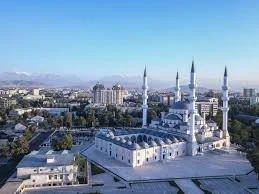 Image 2 of 3
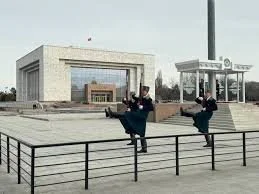 Image 3 of 3
Bishkek city
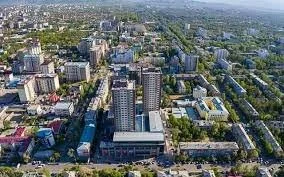
Overview Bishkek is the capital and largest city of Kyrgyzstan, set against the northern foothills of the Tian Shan mountains. It blends Soviet-era wide boulevards and public squares with lively bazaars, green parks, and a growing café and cultural scene. The city is the primary gateway for travelers exploring Kyrgyzstan’s alpine landscapes, yurt stays, and Silk Road history.
Main neighborhoods and landmarks
Ala-Too Square: Central civic space framed by government buildings, monuments, and seasonal events. A focal point for national celebrations and demonstrations.
Oak Park (Dubovy Park): A leafy public park ideal for walks, local life observation, and small eateries.
Panfilov Park: Popular with families; features rides, cafés, and an atmosphere of everyday leisure.
Osh Bazaar: The city’s largest market where locals buy meat, produce, spices, household goods, and traditional crafts. A great place to sample street food and observe daily commerce.
State Historical Museum: Offers exhibits on Kyrgyz history, ethnography, and archaeological finds.
National Philharmonic and Opera House: Key venues for classical music and performing arts.
Victory Square and the Soviet-era monuments: Reflect the city’s historical layers and memorial culture.
Botanical Garden and Frunze House-Museum: For botanical interest and insight into Soviet history.
What to do
Walk Ala-Too Square at dawn or dusk to see local life and monuments with fewer crowds.
Stroll through Osh Bazaar to taste samsa, kurut, and tea; pick up felt crafts, yurt miniatures, and spices.
Visit museums for context on Kyrgyz culture and nomadic traditions.
Take advantage of Bishkek’s parks and cafés—people-watch and enjoy the city’s relaxed rhythm.
Sample Kyrgyz cuisine: beshbarmak, lagman, manti, and airan at local restaurants.
Day trips: Common departures include Ala-Archa National Park for hiking, Burana Tower near Tokmok, and alpine lakes like Issyk-Kul (longer drives).
Practical information
Climate: Continental, with cold winters and hot summers. Spring and autumn are mild and pleasant; summers can be hot but are dry.
Transportation: Taxis and ride-hailing apps are widely used; minibuses (marshrutkas) are inexpensive for local routes. Walking is feasible in the central districts.
Currency: Kyrgyz som (KGS). Cash is commonly used in markets; ATMs are available in the city.
Safety: Bishkek is generally safe for visitors but exercise normal urban caution, guard valuables in crowded markets, and be aware of occasional political demonstrations.
Language: Kyrgyz and Russian are widely spoken; English is increasingly used in tourist services but may be limited outside central areas.
Visas: Check current entry requirements before travel, as visa policies vary by nationality.
When to visit
Best time: Late spring (May–June) and early autumn (September–October) for mild weather and access to mountain excursions.
Peak season: Summer brings more tourists and warmer weather for high-altitude treks.
Traveler tips
Bargain politely in markets; cash is king for small purchases.
Dress modestly when visiting religious sites; seasons can be cold—layering is recommended.
Try local dairy products, especially kumis (fermented mare’s milk) and various cheeses.
Respect local customs and be mindful around government buildings and demonstrations.
Bishkek offers a practical, low-key base to explore Kyrgyzstan’s natural wonders and nomadic heritage while providing a glimpse of contemporary urban life in Central Asia.
Bishkek city
Overview Bishkek is the capital and largest city of Kyrgyzstan, set against the northern foothills of the Tian Shan mountains. It blends Soviet-era wide boulevards and public squares with lively bazaars, green parks, and a growing café and cultural scene. The city is the primary gateway for travelers exploring Kyrgyzstan’s alpine landscapes, yurt stays, and Silk Road history.
Main neighborhoods and landmarks
Ala-Too Square: Central civic space framed by government buildings, monuments, and seasonal events. A focal point for national celebrations and demonstrations.
Oak Park (Dubovy Park): A leafy public park ideal for walks, local life observation, and small eateries.
Panfilov Park: Popular with families; features rides, cafés, and an atmosphere of everyday leisure.
Osh Bazaar: The city’s largest market where locals buy meat, produce, spices, household goods, and traditional crafts. A great place to sample street food and observe daily commerce.
State Historical Museum: Offers exhibits on Kyrgyz history, ethnography, and archaeological finds.
National Philharmonic and Opera House: Key venues for classical music and performing arts.
Victory Square and the Soviet-era monuments: Reflect the city’s historical layers and memorial culture.
Botanical Garden and Frunze House-Museum: For botanical interest and insight into Soviet history.
What to do
Walk Ala-Too Square at dawn or dusk to see local life and monuments with fewer crowds.
Stroll through Osh Bazaar to taste samsa, kurut, and tea; pick up felt crafts, yurt miniatures, and spices.
Visit museums for context on Kyrgyz culture and nomadic traditions.
Take advantage of Bishkek’s parks and cafés—people-watch and enjoy the city’s relaxed rhythm.
Sample Kyrgyz cuisine: beshbarmak, lagman, manti, and airan at local restaurants.
Day trips: Common departures include Ala-Archa National Park for hiking, Burana Tower near Tokmok, and alpine lakes like Issyk-Kul (longer drives).
Practical information
Climate: Continental, with cold winters and hot summers. Spring and autumn are mild and pleasant; summers can be hot but are dry.
Transportation: Taxis and ride-hailing apps are widely used; minibuses (marshrutkas) are inexpensive for local routes. Walking is feasible in the central districts.
Currency: Kyrgyz som (KGS). Cash is commonly used in markets; ATMs are available in the city.
Safety: Bishkek is generally safe for visitors but exercise normal urban caution, guard valuables in crowded markets, and be aware of occasional political demonstrations.
Language: Kyrgyz and Russian are widely spoken; English is increasingly used in tourist services but may be limited outside central areas.
Visas: Check current entry requirements before travel, as visa policies vary by nationality.
When to visit
Best time: Late spring (May–June) and early autumn (September–October) for mild weather and access to mountain excursions.
Peak season: Summer brings more tourists and warmer weather for high-altitude treks.
Traveler tips
Bargain politely in markets; cash is king for small purchases.
Dress modestly when visiting religious sites; seasons can be cold—layering is recommended.
Try local dairy products, especially kumis (fermented mare’s milk) and various cheeses.
Respect local customs and be mindful around government buildings and demonstrations.
Bishkek offers a practical, low-key base to explore Kyrgyzstan’s natural wonders and nomadic heritage while providing a glimpse of contemporary urban life in Central Asia.