

 Image 1 of 3
 Image 2 of 3
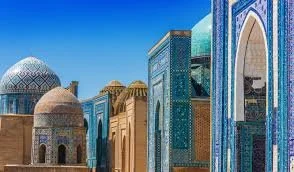 Image 3 of 3
Samarkand
Overview Samarkand is one of the oldest and most storied cities in Central Asia, located in southeastern Uzbekistan. Positioned along historic Silk Road routes, it developed as a major cultural, commercial, and scientific center. The city’s architecture reflects a thousand-year layering of Persian, Turkic, Mongol, and Islamic influences, with monumental madrasas, mosques, mausoleums, and richly tiled public spaces.
Highlights and must-see sites
Registan Square: The heart of Samarkand and its most iconic ensemble, formed by three ornately tiled madrasas—Ulugh Beg, Sher-Dor, and Tilya-Kori—dating largely to the 15th–17th centuries. The square showcases exquisite mosaic work, geometric patterns, and commanding facades.
Gur-e-Amir Mausoleum: The tomb of Timur (Tamerlane) and members of his family. Noted for its distinctive azure dome, intricate interior tilework, and historical significance as a model for later Timurid architecture.
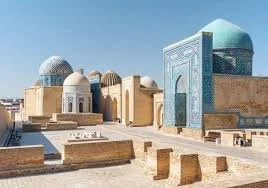
Shah-i-Zinda Necropolis: A remarkable alley of richly decorated mausoleums spanning several centuries. The site is valued for its luminous tile mosaics and the continuity of burial architecture from the 11th to 19th centuries.
Bibi-Khanym Mosque: Once one of the largest mosques in the Islamic world, constructed in the late 14th century under Timur. The restored remains and sweeping courtyard convey the ambition of Timurid monumental building.
Siab Bazaar (Siab Market): A lively, authentic marketplace adjacent to Registan where visitors can sample regional produce, spices, breads (including non/osh), dried fruits, and local handicrafts.
Ulugh Beg Observatory (Afrasiab area): The 15th-century observatory founded by the astronomer-king Ulugh Beg. Nearby, the Afrasiab archaeological site and museum display layers of ancient Samarkand, including murals and remnants of the Sogdian period.
Cultural notes
Samarkand’s cultural life combines Persianate literary and artistic traditions with Turkic influences. The city historically attracted scholars, astronomers, calligraphers, and craftsmen.
Local cuisine highlights include plov (Uzbek rice dish), shashlik, samsa (savory pastry), non (flatbread), and a variety of fruit-based desserts and dried fruits—reflecting the region’s long agricultural heritage.
Crafts: Samarkand is known for silk weaving, ikat textiles (abrbandi), pottery, enamel work, and intricate carved wood and metalwork.
Practical information
Best time to visit: Spring (April–June) and autumn (September–October) for mild temperatures and clearer skies. Summers are hot; winters can be cold.
Getting there: Samarkand is served by an international airport and is a major stop on Uzbekistan’s high-speed rail line connecting Tashkent and Bukhara. Overland travel from neighboring Central Asian cities is also common.
Transportation inside the city: Walking is often the best way to explore the historic center; taxis and rideshare services are readily available for longer trips.
Accommodation: Options range from boutique guesthouses and restored caravanserais to international hotels. Staying near Registan offers immediate access to the main monuments.
Visitor etiquette: Dress modestly when visiting religious sites. Photography is usually permitted at major monuments but check locally for restrictions in museums or inside certain mausoleums.
Conservation and visitor impact Samarkand’s architectural treasures have undergone extensive restoration in recent decades. Conservation work aims to balance structural stability with authentic materials and techniques; however, some restorations have attracted debate about historical accuracy. Visitors are encouraged to respect preservation rules, avoid touching fragile tiles and inscriptions, and follow pathways to protect fragile sites.
Suggested itineraries
Half-day: Registan Square, Siab Bazaar, quick visit to Bibi-Khanym Mosque.
Full day: Registan, Gur-e-Amir, Shah-i-Zinda, Siab Bazaar, evening walk around the illuminated monuments.
Two days: Add Ulugh Beg Observatory and Afrasiab museum, time for craft shops and a leisurely meal sampling regional dishes.
Why visit Samarkand offers an exceptional concentration of monumental Timurid architecture, a palpable Silk Road atmosphere, and rich layers of human history. For travelers interested in architecture, history, art, and culinary traditions, the city provides an immersive experience that links ancient trade routes to present-day cultural life.
Samarkand
Overview Samarkand is one of the oldest and most storied cities in Central Asia, located in southeastern Uzbekistan. Positioned along historic Silk Road routes, it developed as a major cultural, commercial, and scientific center. The city’s architecture reflects a thousand-year layering of Persian, Turkic, Mongol, and Islamic influences, with monumental madrasas, mosques, mausoleums, and richly tiled public spaces.
Highlights and must-see sites
Registan Square: The heart of Samarkand and its most iconic ensemble, formed by three ornately tiled madrasas—Ulugh Beg, Sher-Dor, and Tilya-Kori—dating largely to the 15th–17th centuries. The square showcases exquisite mosaic work, geometric patterns, and commanding facades.
Gur-e-Amir Mausoleum: The tomb of Timur (Tamerlane) and members of his family. Noted for its distinctive azure dome, intricate interior tilework, and historical significance as a model for later Timurid architecture.
Shah-i-Zinda Necropolis: A remarkable alley of richly decorated mausoleums spanning several centuries. The site is valued for its luminous tile mosaics and the continuity of burial architecture from the 11th to 19th centuries.
Bibi-Khanym Mosque: Once one of the largest mosques in the Islamic world, constructed in the late 14th century under Timur. The restored remains and sweeping courtyard convey the ambition of Timurid monumental building.
Siab Bazaar (Siab Market): A lively, authentic marketplace adjacent to Registan where visitors can sample regional produce, spices, breads (including non/osh), dried fruits, and local handicrafts.
Ulugh Beg Observatory (Afrasiab area): The 15th-century observatory founded by the astronomer-king Ulugh Beg. Nearby, the Afrasiab archaeological site and museum display layers of ancient Samarkand, including murals and remnants of the Sogdian period.
Cultural notes
Samarkand’s cultural life combines Persianate literary and artistic traditions with Turkic influences. The city historically attracted scholars, astronomers, calligraphers, and craftsmen.
Local cuisine highlights include plov (Uzbek rice dish), shashlik, samsa (savory pastry), non (flatbread), and a variety of fruit-based desserts and dried fruits—reflecting the region’s long agricultural heritage.
Crafts: Samarkand is known for silk weaving, ikat textiles (abrbandi), pottery, enamel work, and intricate carved wood and metalwork.
Practical information
Best time to visit: Spring (April–June) and autumn (September–October) for mild temperatures and clearer skies. Summers are hot; winters can be cold.
Getting there: Samarkand is served by an international airport and is a major stop on Uzbekistan’s high-speed rail line connecting Tashkent and Bukhara. Overland travel from neighboring Central Asian cities is also common.
Transportation inside the city: Walking is often the best way to explore the historic center; taxis and rideshare services are readily available for longer trips.
Accommodation: Options range from boutique guesthouses and restored caravanserais to international hotels. Staying near Registan offers immediate access to the main monuments.
Visitor etiquette: Dress modestly when visiting religious sites. Photography is usually permitted at major monuments but check locally for restrictions in museums or inside certain mausoleums.
Conservation and visitor impact Samarkand’s architectural treasures have undergone extensive restoration in recent decades. Conservation work aims to balance structural stability with authentic materials and techniques; however, some restorations have attracted debate about historical accuracy. Visitors are encouraged to respect preservation rules, avoid touching fragile tiles and inscriptions, and follow pathways to protect fragile sites.
Suggested itineraries
Half-day: Registan Square, Siab Bazaar, quick visit to Bibi-Khanym Mosque.
Full day: Registan, Gur-e-Amir, Shah-i-Zinda, Siab Bazaar, evening walk around the illuminated monuments.
Two days: Add Ulugh Beg Observatory and Afrasiab museum, time for craft shops and a leisurely meal sampling regional dishes.
Why visit Samarkand offers an exceptional concentration of monumental Timurid architecture, a palpable Silk Road atmosphere, and rich layers of human history. For travelers interested in architecture, history, art, and culinary traditions, the city provides an immersive experience that links ancient trade routes to present-day cultural life.