

 Image 1 of 1
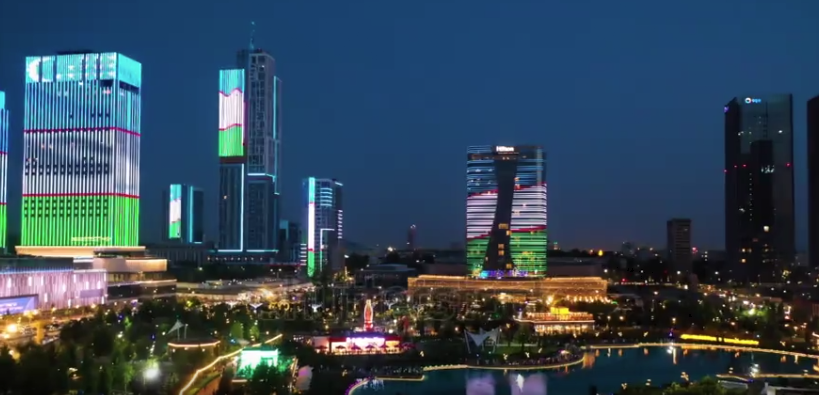
Tashkent city
Tashkent — Uzbekistan’s capital and largest city — blends Soviet-era architecture, wide tree-lined boulevards, and a cosmopolitan energy rooted in centuries of Silk Road history.
Overview
Location: Northeastern Uzbekistan, near the Chirchiq River.
Population: About 2.5–3 million (metro).
Language: Uzbek (Cyrillic and Latin scripts), Russian widely spoken.
Climate: Continental — hot, dry summers and cool winters; best visited spring (April–June) or autumn (September–October).
What to see
Old City (Eski Shahar): Narrow lanes, traditional madrassahs, and the Hast-Imam complex — home to a famed 7th-century Quran manuscript and the Barak-Khan Madrassah.
Chorsu Bazaar: Vibrant, domed market where locals buy produce, spices, breads (non), and regional specialties — a sensory highlight.
Independence Square (Mustaqillik Maydoni): Monumental public space with fountains, museums, and government buildings reflecting 20th-century civic identity.
Amir Timur Square and statue: Central ceremonial square honoring the 14th-century conqueror, surrounded by theaters and hotels.
Tashkent Metro: Notable for ornately decorated stations; efficient and a cultural attraction in its own right.
Khast Imam Library and Museum: Islamic manuscripts and historical artifacts.
State Museum of History of Uzbekistan: Comprehensive national history from antiquity to modern times.
Fine Arts Museum and Navoi Opera: For visual and performing arts lovers.
Minor Mosque & Kukeldash Madrassah: Examples of restored architecture in the old city.
Neighborhoods and atmosphere
Yunusabad and Mirzo-Ulugbek: Residential neighborhoods with markets, cafés, and everyday life.
Broadway (Sailgoh/Alisher Navoi pedestrian area): Street performers, stalls, and a lively evening promenade.
International business district: Broad avenues, modern malls, and hotels reflect Tashkent’s role as a regional hub.
Food and dining
Local specialties: Plov (rice and meat), shashlik, manti (steamed dumplings), laghman (noodle dish), and samsa (savory pastries).
Tea culture: Tea houses (chaikhanas) remain social centers.
Range: From bustling bazaars and street stalls to refined Uzbek restaurants and international options in hotels.
Practical information
Currency: Uzbek som (UZS). Cash is commonly used; cards accepted at major hotels and shops.
Getting around: Metro is fast and cheap; buses and taxis (including ride-hailing apps) cover the city. Agree fare for street taxis if not metered.
Safety: Generally safe for tourists; usual precautions apply (watch belongings in crowded markets).
Connectivity: Many cafés and hotels offer Wi-Fi; SIM cards available at airports and shops.
Visas: Check current entry rules before travel; regulations have evolved in recent years to simplify tourist access.
Day itineraries (examples)
Half day: Chorsu Bazaar → Hast-Imam complex → walk Broadway / lunch at a chaikhana.
Full day: Independence Square → Amir Timur Square → State Museum → Navoi Opera evening performance.
Two days: Day 1 as above; Day 2 Tashkent Metro tour → Fine Arts Museum → shopping at local bazaars and modern malls.
Why visit Tashkent serves as an accessible introduction to Uzbekistan: a living, working city where centuries of history meet Soviet-era urban planning and contemporary Central Asian culture. It’s a practical base for onward travel to Samarkand, Bukhara, and Khiva while offering its own rich museums, markets, and culinary experiences.
Practical tips
Carry small bills and coins for market purchases and public transport.
Modest dress recommended for mosque visits.
Learn a few Uzbek or Russian phrases; locals appreciate the effort.
Allow time to acclimatize if arriving after long flights — the city’s pace rewards relaxed exploration.
Tashkent — Uzbekistan’s capital and largest city — blends Soviet-era architecture, wide tree-lined boulevards, and a cosmopolitan energy rooted in centuries of Silk Road history.
Overview
Location: Northeastern Uzbekistan, near the Chirchiq River.
Population: About 2.5–3 million (metro).
Language: Uzbek (Cyrillic and Latin scripts), Russian widely spoken.
Climate: Continental — hot, dry summers and cool winters; best visited spring (April–June) or autumn (September–October).
What to see
Old City (Eski Shahar): Narrow lanes, traditional madrassahs, and the Hast-Imam complex — home to a famed 7th-century Quran manuscript and the Barak-Khan Madrassah.
Chorsu Bazaar: Vibrant, domed market where locals buy produce, spices, breads (non), and regional specialties — a sensory highlight.
Independence Square (Mustaqillik Maydoni): Monumental public space with fountains, museums, and government buildings reflecting 20th-century civic identity.
Amir Timur Square and statue: Central ceremonial square honoring the 14th-century conqueror, surrounded by theaters and hotels.
Tashkent Metro: Notable for ornately decorated stations; efficient and a cultural attraction in its own right.
Khast Imam Library and Museum: Islamic manuscripts and historical artifacts.
State Museum of History of Uzbekistan: Comprehensive national history from antiquity to modern times.
Fine Arts Museum and Navoi Opera: For visual and performing arts lovers.
Minor Mosque & Kukeldash Madrassah: Examples of restored architecture in the old city.
Neighborhoods and atmosphere
Yunusabad and Mirzo-Ulugbek: Residential neighborhoods with markets, cafés, and everyday life.
Broadway (Sailgoh/Alisher Navoi pedestrian area): Street performers, stalls, and a lively evening promenade.
International business district: Broad avenues, modern malls, and hotels reflect Tashkent’s role as a regional hub.
Food and dining
Local specialties: Plov (rice and meat), shashlik, manti (steamed dumplings), laghman (noodle dish), and samsa (savory pastries).
Tea culture: Tea houses (chaikhanas) remain social centers.
Range: From bustling bazaars and street stalls to refined Uzbek restaurants and international options in hotels.
Practical information
Currency: Uzbek som (UZS). Cash is commonly used; cards accepted at major hotels and shops.
Getting around: Metro is fast and cheap; buses and taxis (including ride-hailing apps) cover the city. Agree fare for street taxis if not metered.
Safety: Generally safe for tourists; usual precautions apply (watch belongings in crowded markets).
Connectivity: Many cafés and hotels offer Wi-Fi; SIM cards available at airports and shops.
Visas: Check current entry rules before travel; regulations have evolved in recent years to simplify tourist access.
Day itineraries (examples)
Half day: Chorsu Bazaar → Hast-Imam complex → walk Broadway / lunch at a chaikhana.
Full day: Independence Square → Amir Timur Square → State Museum → Navoi Opera evening performance.
Two days: Day 1 as above; Day 2 Tashkent Metro tour → Fine Arts Museum → shopping at local bazaars and modern malls.
Why visit Tashkent serves as an accessible introduction to Uzbekistan: a living, working city where centuries of history meet Soviet-era urban planning and contemporary Central Asian culture. It’s a practical base for onward travel to Samarkand, Bukhara, and Khiva while offering its own rich museums, markets, and culinary experiences.
Practical tips
Carry small bills and coins for market purchases and public transport.
Modest dress recommended for mosque visits.
Learn a few Uzbek or Russian phrases; locals appreciate the effort.
Allow time to acclimatize if arriving after long flights — the city’s pace rewards relaxed exploration.