

 Image 1 of 1
travel to Bahrain
Bahrain — overview, when to go, what to see, practical tips
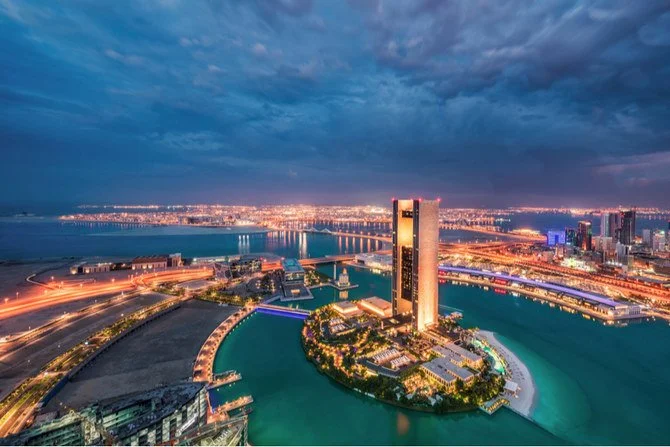
Overview Bahrain is a small island nation in the Persian Gulf that blends modern city life, rich history, and welcoming hospitality. Its compact size makes it easy to combine cultural attractions, waterfront leisure, and desert experiences in a short trip. Manama, the capital, is the main hub for museums, souqs, dining, and nightlife, while outlying islands and coastal areas offer forts, pearl‑diving history, and natural sites.
When to go
Best months: November–March. Temperatures are pleasant (60s–70s°F / 15–25°C) and humidity is lower. Ideal for sightseeing and outdoor activities.
Shoulder season: October and April. Warm days, fewer crowds than winter.
Avoid: June–September. Summer is extremely hot and humid (often above 100°F / 38°C); outdoor activity is limited and many travelers prefer to stay indoors or poolside.
Top sights and experiences
Bahrain National Museum (Manama): Comprehensive displays on the islands’ archaeology, pearl industry, and cultural history. A strong first stop for context.
Qal’at al-Bahrain (Bahrain Fort): UNESCO World Heritage site with ruins spanning Dilmun to Islamic periods; offers panoramic views at sunset.
Manama Souq: Narrow lanes with spices, perfumes, textiles, Bahraini silver and handicrafts; great for bargaining and people-watching.
Al-Fateh Grand Mosque (Great Mosque): One of the largest mosques in the world; visiting hours for non-Muslims are available with modest dress required.
Bahrain World Trade Center & Financial Harbor: Contemporary waterfront architecture and upscale dining.
Bahrain International Circuit (Sakhir): Home of motorsport events including Formula 1; check the calendar for races and track days.
Pearling Trail: Historic sites connected to the pearl-diving era; a UNESCO-listed cultural route in Muharraq.
Muharraq Island: Restored merchant houses, local cafés, and a quieter, more traditional atmosphere than Manama.
Royal Camel Farm and Al Areen Wildlife Park: Family-friendly wildlife experiences and desert flora/fauna.
Tree of Life: Solitary, ancient tree in the desert; an iconic and photogenic curiosity.
Day trips and watersports: Jet-skiing, sailing, and fishing are popular; islands and beaches are reachable by short drives or boat trips.
Culture and etiquette
Dress: Bahrain is relatively liberal by regional standards. Conservative dress is appropriate in religious sites and rural areas—cover shoulders and knees; women may be asked to wear a headscarf at some mosques. Beachwear is acceptable at private hotel beaches and pools but not in public streets.
Greetings: A handshake is common for men; wait to see if a woman offers her hand. Use respectful language; modest behavior in public.
Alcohol: Available in licensed hotels, bars, and some restaurants. Public intoxication is illegal.
Ramadan: During the holy month, avoid eating, drinking, or smoking in public during daylight hours out of respect.
Practical information
Entry and visas: Many nationalities receive a visa on arrival or eVisa. Check current visa rules before travel. Passport should be valid for at least six months.
Language: Arabic is official; English is widely spoken in business, tourism, and service sectors.
Currency: Bahraini Dinar (BHD). Credit cards are widely accepted; ATMs available. Keep in mind currency exchange and tipping norms.
Transport: Taxis, ride‑hailing apps, and rental cars are common. Traffic can be busy during rush hours. Distances are short; day trips are easy by car.
Safety: Bahrain is generally safe for travelers; exercise normal precautions, watch for traffic, and follow local laws.
Health: Tap water is treated and generally safe in urban areas, but many travelers prefer bottled water. Carry sunscreen and stay hydrated in hot months.
Sample itineraries
2-day weekend: Day 1 — Manama: Bahrain National Museum, Al-Fateh Mosque, Manama Souq, waterfront dinner. Day 2 — Qal’at al-Bahrain, Muharraq and Pearling Trail, relaxed afternoon at a hotel beach or spa.
4-day cultural and motorsport mix: Day 1 — arrival and souq; Day 2 — Bahrain National Museum and fort; Day 3 — Sakhir for a circuit experience or motorsport event; Day 4 — Muharraq, Tree of Life, departure.
7-day relaxed trip: Combine Manama highlights, multiple beach/resort days, desert excursions, wildlife park
Bahrain — overview, when to go, what to see, practical tips
Overview Bahrain is a small island nation in the Persian Gulf that blends modern city life, rich history, and welcoming hospitality. Its compact size makes it easy to combine cultural attractions, waterfront leisure, and desert experiences in a short trip. Manama, the capital, is the main hub for museums, souqs, dining, and nightlife, while outlying islands and coastal areas offer forts, pearl‑diving history, and natural sites.
When to go
Best months: November–March. Temperatures are pleasant (60s–70s°F / 15–25°C) and humidity is lower. Ideal for sightseeing and outdoor activities.
Shoulder season: October and April. Warm days, fewer crowds than winter.
Avoid: June–September. Summer is extremely hot and humid (often above 100°F / 38°C); outdoor activity is limited and many travelers prefer to stay indoors or poolside.
Top sights and experiences
Bahrain National Museum (Manama): Comprehensive displays on the islands’ archaeology, pearl industry, and cultural history. A strong first stop for context.
Qal’at al-Bahrain (Bahrain Fort): UNESCO World Heritage site with ruins spanning Dilmun to Islamic periods; offers panoramic views at sunset.
Manama Souq: Narrow lanes with spices, perfumes, textiles, Bahraini silver and handicrafts; great for bargaining and people-watching.
Al-Fateh Grand Mosque (Great Mosque): One of the largest mosques in the world; visiting hours for non-Muslims are available with modest dress required.
Bahrain World Trade Center & Financial Harbor: Contemporary waterfront architecture and upscale dining.
Bahrain International Circuit (Sakhir): Home of motorsport events including Formula 1; check the calendar for races and track days.
Pearling Trail: Historic sites connected to the pearl-diving era; a UNESCO-listed cultural route in Muharraq.
Muharraq Island: Restored merchant houses, local cafés, and a quieter, more traditional atmosphere than Manama.
Royal Camel Farm and Al Areen Wildlife Park: Family-friendly wildlife experiences and desert flora/fauna.
Tree of Life: Solitary, ancient tree in the desert; an iconic and photogenic curiosity.
Day trips and watersports: Jet-skiing, sailing, and fishing are popular; islands and beaches are reachable by short drives or boat trips.
Culture and etiquette
Dress: Bahrain is relatively liberal by regional standards. Conservative dress is appropriate in religious sites and rural areas—cover shoulders and knees; women may be asked to wear a headscarf at some mosques. Beachwear is acceptable at private hotel beaches and pools but not in public streets.
Greetings: A handshake is common for men; wait to see if a woman offers her hand. Use respectful language; modest behavior in public.
Alcohol: Available in licensed hotels, bars, and some restaurants. Public intoxication is illegal.
Ramadan: During the holy month, avoid eating, drinking, or smoking in public during daylight hours out of respect.
Practical information
Entry and visas: Many nationalities receive a visa on arrival or eVisa. Check current visa rules before travel. Passport should be valid for at least six months.
Language: Arabic is official; English is widely spoken in business, tourism, and service sectors.
Currency: Bahraini Dinar (BHD). Credit cards are widely accepted; ATMs available. Keep in mind currency exchange and tipping norms.
Transport: Taxis, ride‑hailing apps, and rental cars are common. Traffic can be busy during rush hours. Distances are short; day trips are easy by car.
Safety: Bahrain is generally safe for travelers; exercise normal precautions, watch for traffic, and follow local laws.
Health: Tap water is treated and generally safe in urban areas, but many travelers prefer bottled water. Carry sunscreen and stay hydrated in hot months.
Sample itineraries
2-day weekend: Day 1 — Manama: Bahrain National Museum, Al-Fateh Mosque, Manama Souq, waterfront dinner. Day 2 — Qal’at al-Bahrain, Muharraq and Pearling Trail, relaxed afternoon at a hotel beach or spa.
4-day cultural and motorsport mix: Day 1 — arrival and souq; Day 2 — Bahrain National Museum and fort; Day 3 — Sakhir for a circuit experience or motorsport event; Day 4 — Muharraq, Tree of Life, departure.
7-day relaxed trip: Combine Manama highlights, multiple beach/resort days, desert excursions, wildlife park