

 Image 1 of 2
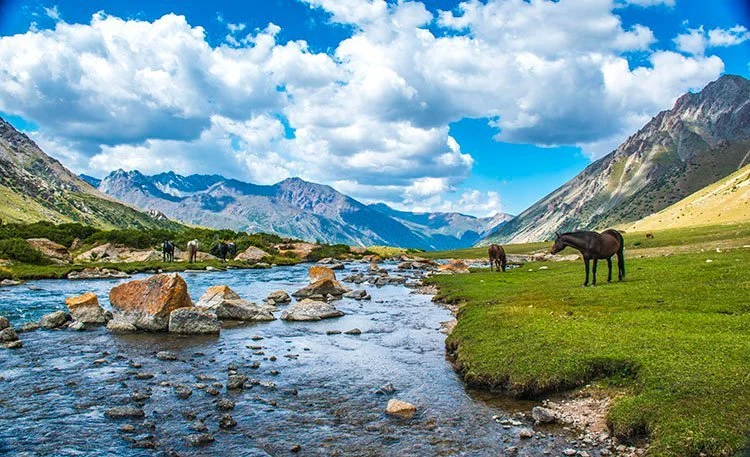 Image 2 of 2
travel to Kyrgyzstan
Kyrgyz
Kyrgyzstan: Your Next Adventure
Why go Kyrgyzstan is a compact, high-mountain country where nomadic culture, dramatic alpine scenery, and warm hospitality meet. It’s ideal for travelers who want active outdoor experiences—trekking, horseback riding, and camping—combined with cultural encounters in yurt camps and local markets.
When to go
Late spring to early autumn (May–October) for mountain access.
June–September are best for high-altitude trekking and alpine meadows in bloom.
Winter (December–March) offers skiing and a glimpse of rural life under snow but requires cold-weather gear and flexible transport.
Top experiences
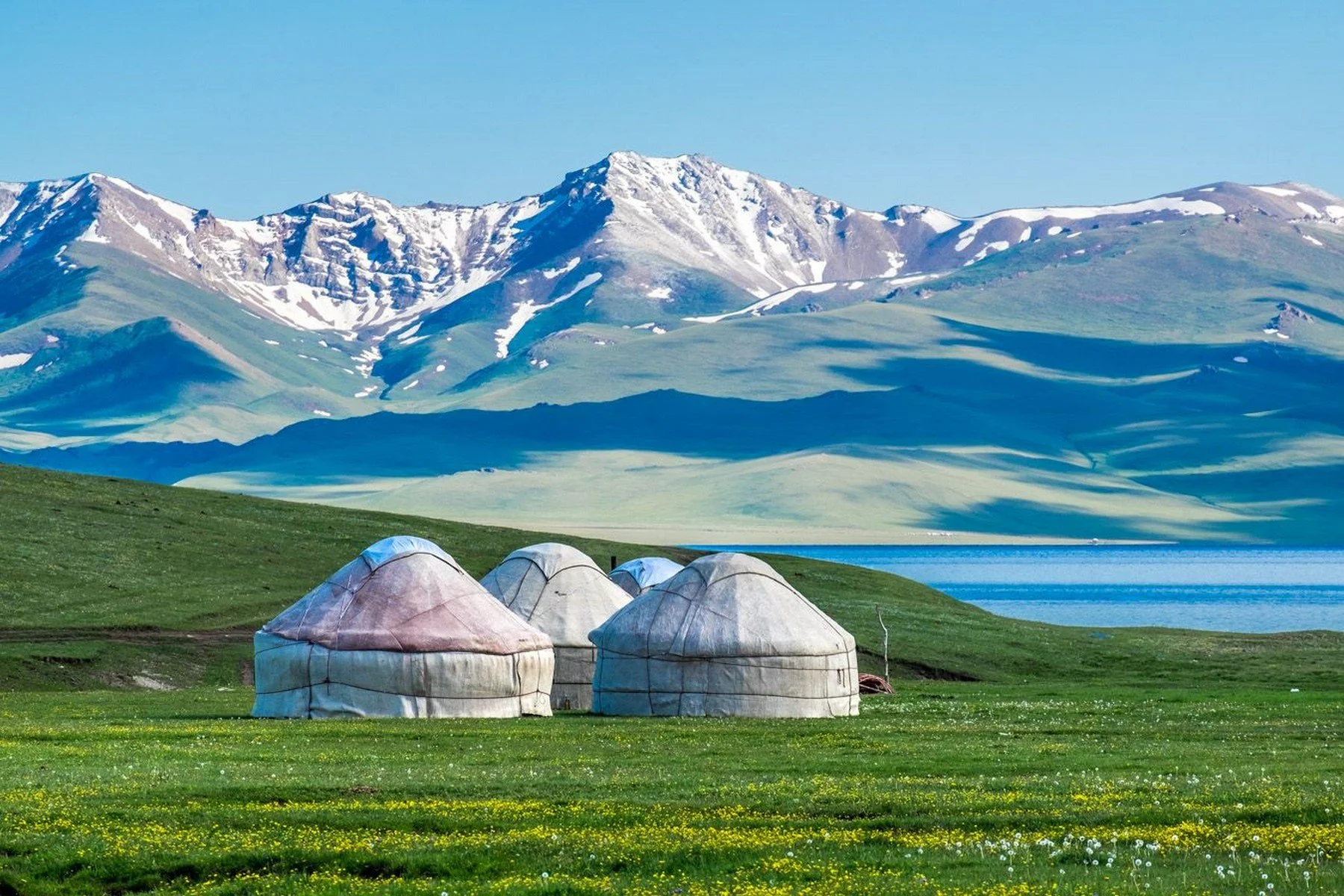
Son-Kul and Issyk-Kul Lakes: Stay in a yurt camp on Son-Kul for a true nomadic experience; swim or relax by Issyk-Kul, the world’s second-largest saline lake.
Trekking in the Tian Shan: Routes range from day hikes to multi-day alpine treks such as Ala-Archa Gorge and Jyrgalan Valley.
Horse trekking: Ride with local guides across meadows and along mountain trails—an authentic way to travel in Kyrgyz tradition.
Peak climbs: For experienced mountaineers, peaks like Lenin Peak and Pobeda offer technical challenges (permit and guide required).
Cultural encounters: Visit Bishkek’s Osh Bazaar, and experience homestays or yurt stays in villages to learn about felt-making, eagle hunting, and Kyrgyz cuisine.
Silk Road heritage: Explore historical caravan routes, ancient petroglyphs, and the town of Karakol with its Russian Orthodox and Dungan architecture.
Practical information
Entry and visas: Many nationalities receive a visa-free stay for up to 30–90 days; check current requirements before travel.
Getting there: Manas International Airport (Bishkek) is the main international gateway. Regional flights and long-distance buses connect to neighboring countries.
Getting around: Shared minibuses (marshrutkas), private drivers, and domestic flights. Roads can be rough; 4x4 vehicles are recommended for remote areas.
Permits and guides: Certain high-altitude or border-adjacent areas may require permits; hire local licensed guides for trekking and mountaineering.
Health and safety: Altitude sickness can affect travelers above 2,500–3,000 m; acclimatize gradually. Carry basic medical supplies and travel insurance that covers evacuation. Drinking water from natural sources should be treated or boiled.
Currency and costs: Kyrgyz som (KGS). Cash is widely used outside major cities; ATMs available in Bishkek and some regional centers. Overall costs are lower than Western Europe or North America.
Language: Kyrgyz and Russian. English is common among younger guides and in tourist services in major centers.
Suggested itineraries (5–14 days)
5 days: Bishkek (city and Ala-Archa) → Issyk-Kul (relaxation or light hikes) → return to Bishkek.
8 days: Bishkek → Burana Tower and Chon-Kemin → Kochkor yurt workshop → Son-Kul overnight yurt stay → return.
10–14 days: Bishkek → Karakol (Jeti-Oguz, Altyn-Arashan hot springs) → Issyk-Kul shores → Jyrgalan trekking/horse trek → Song-Kul → return via Naryn and Burana.
Packing essentials
Layered clothing for wide temperature swings; warm down jacket for nights.
Sturdy hiking boots, trekking poles, sun protection, and water purification.
Lightweight sleeping bag for yurt camps (check with operators).
Small first-aid kit, altitude medication if advised, and insect repellent.
Responsible travel tips
Respect local customs: dress modestly in rural areas; ask before photographing people.
Support local guides, homestays, and craftspeople.
Minimize waste: carry reusable water bottle and avoid single-use plastics.
Stay on marked trails to protect fragile alpine ecosystems.
Ready to plan If you’d like, I can suggest a detailed day-by-day itinerary based on your travel dates, fitness level, and interests (trekking intensity, cultural focus, family-friendly options), or provide recommended local operators and packing lists tailored to the season.
Kyrgyzstan is calling! Forget the hustle and bustle of the city and experience relaxation amidst the Asian Alps, pristine lakes that never freeze, and sleeping in traditional yurt tents under the stars. And the best part? No visa required for GCC citizens, and the cost fits your budget!
Kyrgyz
Kyrgyzstan: Your Next Adventure
Why go Kyrgyzstan is a compact, high-mountain country where nomadic culture, dramatic alpine scenery, and warm hospitality meet. It’s ideal for travelers who want active outdoor experiences—trekking, horseback riding, and camping—combined with cultural encounters in yurt camps and local markets.
When to go
Late spring to early autumn (May–October) for mountain access.
June–September are best for high-altitude trekking and alpine meadows in bloom.
Winter (December–March) offers skiing and a glimpse of rural life under snow but requires cold-weather gear and flexible transport.
Top experiences
Son-Kul and Issyk-Kul Lakes: Stay in a yurt camp on Son-Kul for a true nomadic experience; swim or relax by Issyk-Kul, the world’s second-largest saline lake.
Trekking in the Tian Shan: Routes range from day hikes to multi-day alpine treks such as Ala-Archa Gorge and Jyrgalan Valley.
Horse trekking: Ride with local guides across meadows and along mountain trails—an authentic way to travel in Kyrgyz tradition.
Peak climbs: For experienced mountaineers, peaks like Lenin Peak and Pobeda offer technical challenges (permit and guide required).
Cultural encounters: Visit Bishkek’s Osh Bazaar, and experience homestays or yurt stays in villages to learn about felt-making, eagle hunting, and Kyrgyz cuisine.
Silk Road heritage: Explore historical caravan routes, ancient petroglyphs, and the town of Karakol with its Russian Orthodox and Dungan architecture.
Practical information
Entry and visas: Many nationalities receive a visa-free stay for up to 30–90 days; check current requirements before travel.
Getting there: Manas International Airport (Bishkek) is the main international gateway. Regional flights and long-distance buses connect to neighboring countries.
Getting around: Shared minibuses (marshrutkas), private drivers, and domestic flights. Roads can be rough; 4x4 vehicles are recommended for remote areas.
Permits and guides: Certain high-altitude or border-adjacent areas may require permits; hire local licensed guides for trekking and mountaineering.
Health and safety: Altitude sickness can affect travelers above 2,500–3,000 m; acclimatize gradually. Carry basic medical supplies and travel insurance that covers evacuation. Drinking water from natural sources should be treated or boiled.
Currency and costs: Kyrgyz som (KGS). Cash is widely used outside major cities; ATMs available in Bishkek and some regional centers. Overall costs are lower than Western Europe or North America.
Language: Kyrgyz and Russian. English is common among younger guides and in tourist services in major centers.
Suggested itineraries (5–14 days)
5 days: Bishkek (city and Ala-Archa) → Issyk-Kul (relaxation or light hikes) → return to Bishkek.
8 days: Bishkek → Burana Tower and Chon-Kemin → Kochkor yurt workshop → Son-Kul overnight yurt stay → return.
10–14 days: Bishkek → Karakol (Jeti-Oguz, Altyn-Arashan hot springs) → Issyk-Kul shores → Jyrgalan trekking/horse trek → Song-Kul → return via Naryn and Burana.
Packing essentials
Layered clothing for wide temperature swings; warm down jacket for nights.
Sturdy hiking boots, trekking poles, sun protection, and water purification.
Lightweight sleeping bag for yurt camps (check with operators).
Small first-aid kit, altitude medication if advised, and insect repellent.
Responsible travel tips
Respect local customs: dress modestly in rural areas; ask before photographing people.
Support local guides, homestays, and craftspeople.
Minimize waste: carry reusable water bottle and avoid single-use plastics.
Stay on marked trails to protect fragile alpine ecosystems.
Ready to plan If you’d like, I can suggest a detailed day-by-day itinerary based on your travel dates, fitness level, and interests (trekking intensity, cultural focus, family-friendly options), or provide recommended local operators and packing lists tailored to the season.
Kyrgyzstan is calling! Forget the hustle and bustle of the city and experience relaxation amidst the Asian Alps, pristine lakes that never freeze, and sleeping in traditional yurt tents under the stars. And the best part? No visa required for GCC citizens, and the cost fits your budget!