

 Image 1 of 1
travel to Uzbekistan
Travel to Uzbekistan
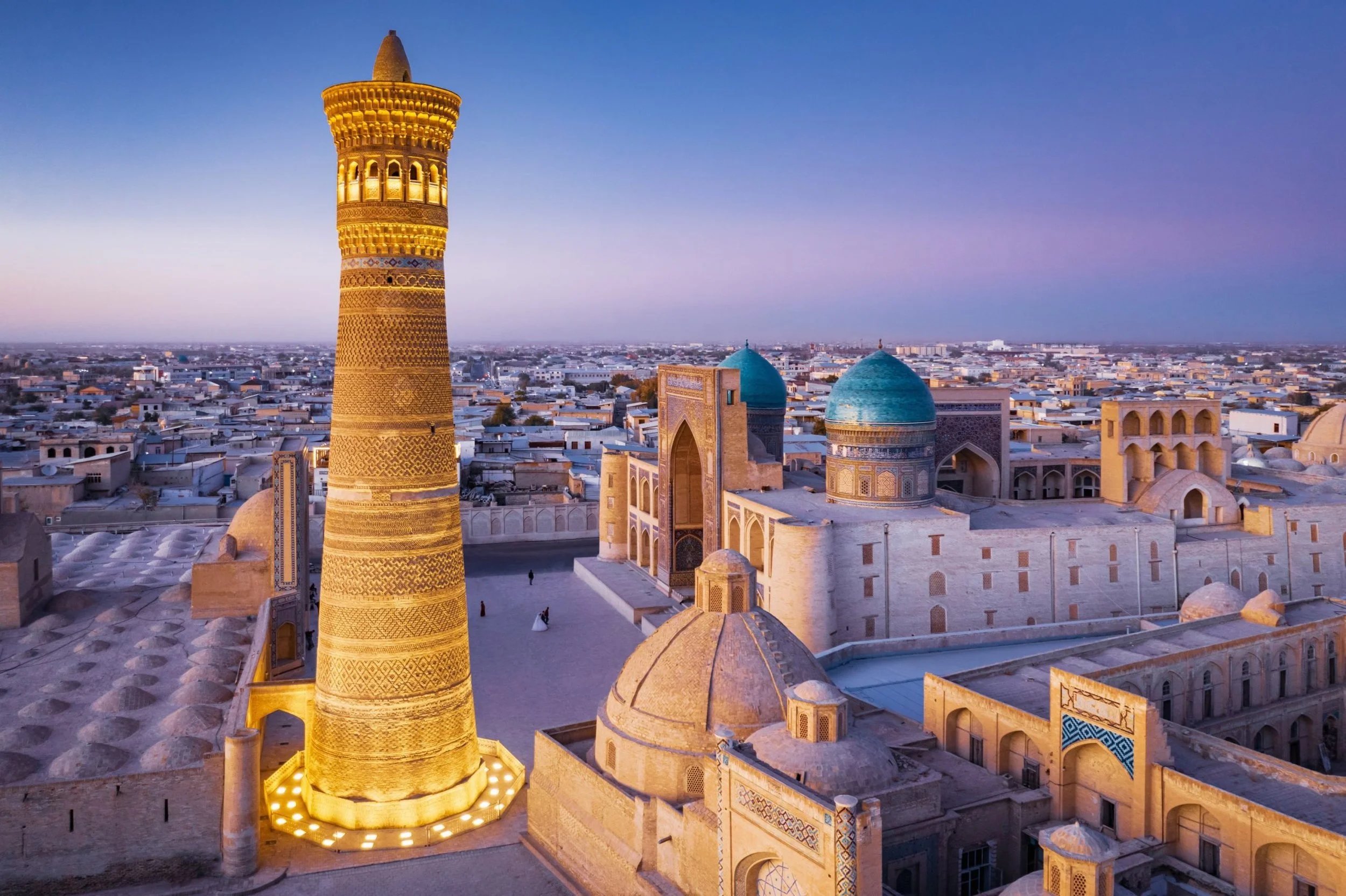
Why go Uzbekistan offers a rich blend of Silk Road history, grand Islamic architecture, vibrant bazaars, and warm hospitality. Cities such as Samarkand, Bukhara, and Khiva showcase UNESCO-listed monuments, turquoise-tiled madrasahs, and centuries-old caravanserais. Inland deserts, fertile river valleys, and Soviets-era neighborhoods add layers to the country’s cultural and visual landscape.
When to go
Spring (April–June): Ideal weather, blooming gardens, and clear skies; busiest season.
Autumn (September–October): Mild temperatures, harvest season, fewer tourists.
Summer (July–August): Hot, especially inland; good for higher-altitude areas but expect heat in the cities.
Winter (December–February): Cold, with possible snow; fewer crowds and lower prices.
Entry and practicalities
Visa: Entry requirements vary by nationality. Many countries enjoy visa-free access or e-visa options; check current regulations before travel.
Passport validity: Typically at least six months beyond the planned departure date; confirm with official sources.
Currency: Uzbekistani som (UZS). Cash is widely used; carry small notes for markets and taxis. ATMs are common in major cities but may be limited in rural areas.
Language: Uzbek is the official language; Russian is widely spoken. Basic English is increasingly available in hotels, major tourist sites, and among younger people.
Safety: Generally safe for travelers. Exercise normal precautions: secure belongings, avoid poorly lit areas at night, and follow local advice.
Health: Tap water is generally not recommended; drink bottled water. Check routine vaccinations and any recommended travel vaccines before departure.
Getting there and around
International flights arrive mainly in Tashkent (TAS), with some connections to Samarkand and Urgench. Consider multi-city itineraries to minimize backtracking.
Domestic travel: Fast, comfortable high-speed trains (Afrosiyob) link Tashkent–Samarkand–Bukhara. Regular trains and shared taxis serve other routes. Domestic flights connect more distant regions.
Local transport: Taxis are affordable; agree on fares or ensure the meter is used. Within cities, you’ll find buses, trams (in Tashkent), and rideshare apps in larger urban centers.
Top destinations and highlights
Tashkent: The capital mixes Soviet-era architecture with grand metro stations, leafy parks, and the Chorsu Bazaar—a lively market experience.
Samarkand: Registan Square, Shah-i-Zinda necropolis, Bibi-Khanym Mosque, and Gur-e-Amir mausoleum—spectacular examples of Timurid architecture.
Bukhara: An intact historic center with Lyab-i Hauz pond, Ark Fortress, Kalon Minaret and Mosque, and a network of madrasahs and caravanserais.
Khiva: Walkable walled inner town (Itchan Kala) filled with restored palaces, minarets, and traditional houses.
Fergana Valley: Known for silk, ceramics, and crafts; cities like Kokand, Margilan, and Rishtan are craft centers.
Nuratau Mountains and Aydarkul Lake: Options for trekking, rural homestays, and experiencing rural Uzbek life.
Aral Sea region: For adventurous travelers interested in environmental history and stark, remote landscapes.
Cultural tips
Dress modestly when visiting religious sites—cover shoulders and knees; women may be asked to cover hair in some places.
Hospitality is important; it’s polite to accept tea when offered.
Bargaining is common in markets; do so respectfully.
Tipping: Not mandatory but appreciated—small tips for guides, drivers, and service staff are customary.
Cuisine to try
Plov (pilaf): National dish—rice cooked with meat, carrots, and spices.
Shashlik: Grilled meat skewers.
Manti: Steamed dumplings.
Samsa: Baked pastry filled with meat or pumpkin.
Lagman: Noodle soup or stir-fry.
Tea culture: Green or black tea is central to social life.
Travel to Uzbekistan
Why go Uzbekistan offers a rich blend of Silk Road history, grand Islamic architecture, vibrant bazaars, and warm hospitality. Cities such as Samarkand, Bukhara, and Khiva showcase UNESCO-listed monuments, turquoise-tiled madrasahs, and centuries-old caravanserais. Inland deserts, fertile river valleys, and Soviets-era neighborhoods add layers to the country’s cultural and visual landscape.
When to go
Spring (April–June): Ideal weather, blooming gardens, and clear skies; busiest season.
Autumn (September–October): Mild temperatures, harvest season, fewer tourists.
Summer (July–August): Hot, especially inland; good for higher-altitude areas but expect heat in the cities.
Winter (December–February): Cold, with possible snow; fewer crowds and lower prices.
Entry and practicalities
Visa: Entry requirements vary by nationality. Many countries enjoy visa-free access or e-visa options; check current regulations before travel.
Passport validity: Typically at least six months beyond the planned departure date; confirm with official sources.
Currency: Uzbekistani som (UZS). Cash is widely used; carry small notes for markets and taxis. ATMs are common in major cities but may be limited in rural areas.
Language: Uzbek is the official language; Russian is widely spoken. Basic English is increasingly available in hotels, major tourist sites, and among younger people.
Safety: Generally safe for travelers. Exercise normal precautions: secure belongings, avoid poorly lit areas at night, and follow local advice.
Health: Tap water is generally not recommended; drink bottled water. Check routine vaccinations and any recommended travel vaccines before departure.
Getting there and around
International flights arrive mainly in Tashkent (TAS), with some connections to Samarkand and Urgench. Consider multi-city itineraries to minimize backtracking.
Domestic travel: Fast, comfortable high-speed trains (Afrosiyob) link Tashkent–Samarkand–Bukhara. Regular trains and shared taxis serve other routes. Domestic flights connect more distant regions.
Local transport: Taxis are affordable; agree on fares or ensure the meter is used. Within cities, you’ll find buses, trams (in Tashkent), and rideshare apps in larger urban centers.
Top destinations and highlights
Tashkent: The capital mixes Soviet-era architecture with grand metro stations, leafy parks, and the Chorsu Bazaar—a lively market experience.
Samarkand: Registan Square, Shah-i-Zinda necropolis, Bibi-Khanym Mosque, and Gur-e-Amir mausoleum—spectacular examples of Timurid architecture.
Bukhara: An intact historic center with Lyab-i Hauz pond, Ark Fortress, Kalon Minaret and Mosque, and a network of madrasahs and caravanserais.
Khiva: Walkable walled inner town (Itchan Kala) filled with restored palaces, minarets, and traditional houses.
Fergana Valley: Known for silk, ceramics, and crafts; cities like Kokand, Margilan, and Rishtan are craft centers.
Nuratau Mountains and Aydarkul Lake: Options for trekking, rural homestays, and experiencing rural Uzbek life.
Aral Sea region: For adventurous travelers interested in environmental history and stark, remote landscapes.
Cultural tips
Dress modestly when visiting religious sites—cover shoulders and knees; women may be asked to cover hair in some places.
Hospitality is important; it’s polite to accept tea when offered.
Bargaining is common in markets; do so respectfully.
Tipping: Not mandatory but appreciated—small tips for guides, drivers, and service staff are customary.
Cuisine to try
Plov (pilaf): National dish—rice cooked with meat, carrots, and spices.
Shashlik: Grilled meat skewers.
Manti: Steamed dumplings.
Samsa: Baked pastry filled with meat or pumpkin.
Lagman: Noodle soup or stir-fry.
Tea culture: Green or black tea is central to social life.